

The government introduced two bills to maintain high taxes on tobacco, pan masala, and similar products as the GST compensation cess is set to phase out next year.
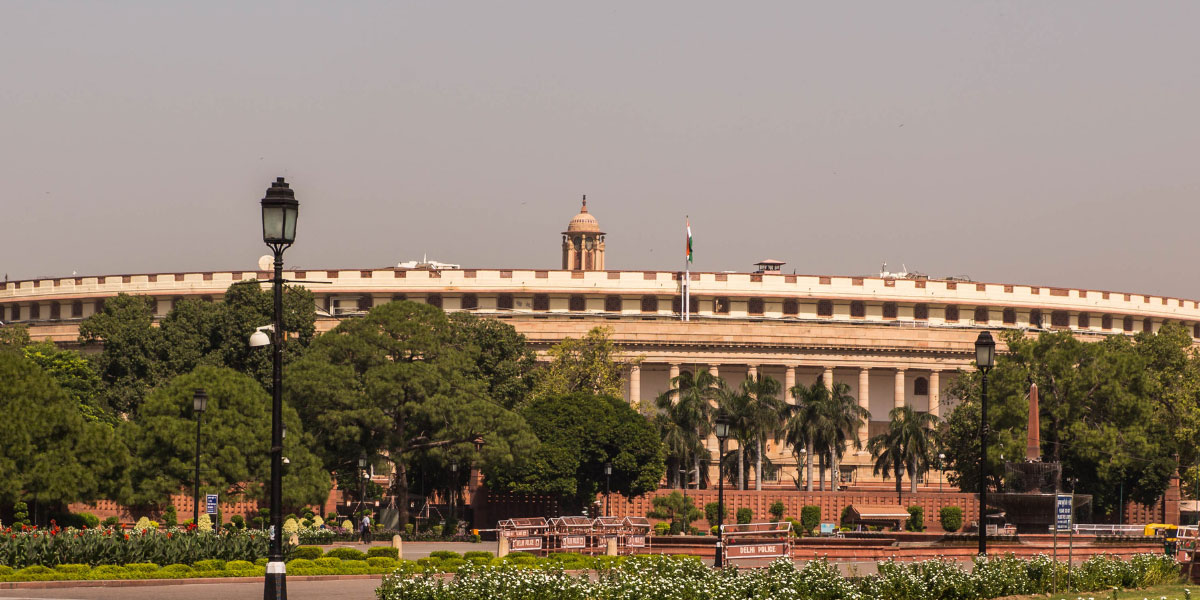
India’s government introduced two tax bills in Parliament on 1 December 2025 aimed at overhauling levies on ‘sin goods’ such as tobacco, pan masala, and other similar products ahead of next year’s phase-out of the Goods and Services Tax (GST) compensation cess.
The Central Excise (Amendment) Bill, 2025, and the Health Security to National Security Bill seek to establish a new central excise duty to maintain high taxes on these items, preventing revenue losses once the GST compensation cess expires.
The GST compensation cess, an additional levy on ‘sin’ and luxury goods, was designed to compensate states for revenue shortfalls following the rollout of GST in 2017.
Finance Minister Nirmala Sitharaman said excise duties under the new legislation will range from 60% to 70%, with specific duties on cigarettes varying based on length and the presence of filters.
The bills are expected to go to parliamentary panels for review before a vote, where approval is anticipated.
The legislation also provides the government with the fiscal flexibility to adjust excise rates on tobacco and related products, ensuring the protection of tax incidence after the GST compensation cess is phased out.