


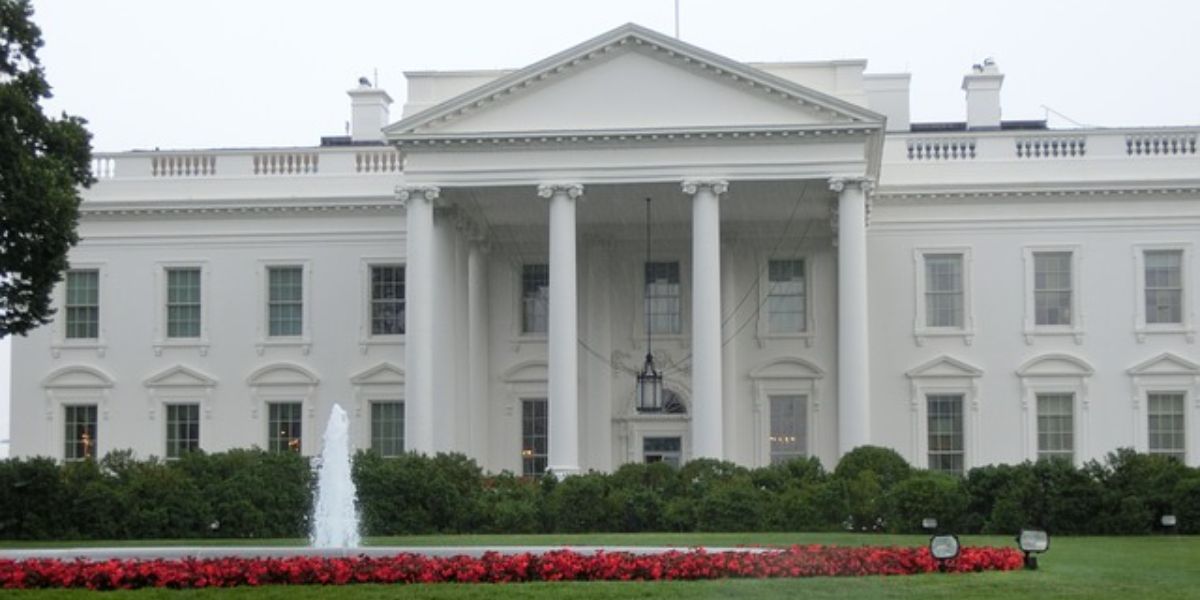
The White House has imposed a 25% tariff on selected high-end AI chips following a national security review, aiming to boost US semiconductor production while tightening controls on advanced chip trade with China.
US President Donald Trump has announced a new 25% tariff on selected high-performance artificial intelligence chips, including Nvidia’s H200 processor and AMD’s MI325X, under a national security proclamation issued by the White House on 14 January 2026.
The decision follows a nine-month investigation conducted under Section 232 of the Trade Expansion Act of 1962, which allows the administration to impose trade restrictions on imports deemed a threat to national security.
This contrasts with earlier reports from 20 November 2025, which indicated that several Trump administration officials were reconsidering the timing of the long-promised semiconductor tariffs, with sources familiar with internal discussions suggesting that officials had begun signalling a slower, more cautious rollout.
The tariffs apply to advanced semiconductors that meet specific performance thresholds and to certain devices that incorporate them. According to the administration, the move is intended to encourage semiconductor manufacturing within the US and reduce dependence on overseas suppliers, particularly in Taiwan.
The White House noted that the US currently produces only about 10% of the chips it consumes, a level of reliance it described as a serious economic and security vulnerability.
A White House fact sheet clarified that the tariffs will not affect chips or related products imported for US data centres, startups, consumer use outside data centres, industrial applications, or public-sector use. The proclamation also grants Commerce Secretary Howard Lutnick broad authority to grant additional exemptions as needed.
The announcement comes amid a broader shift in US semiconductor trade policy. In December, Trump said he planned to impose tariffs on Chinese semiconductor imports, accusing Beijing of aggressively seeking dominance in the chip sector, though that action was postponed until June 2027.
Trump has also drawn attention for earlier comments suggesting Nvidia could sell H200 chips to China in exchange for a share of the revenue, an idea that raised constitutional concerns among legal experts.
More recently, the administration introduced a requirement that chips destined for China must undergo third-party testing in the US. Once they enter the US, those chips become subject to the newly announced 25% tariff.