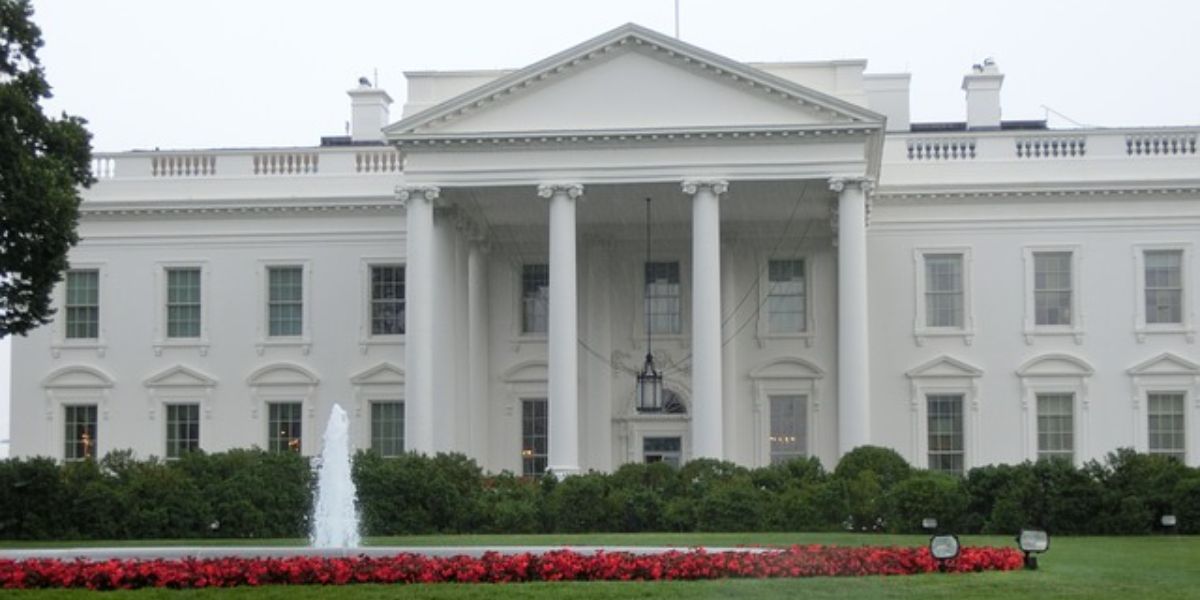


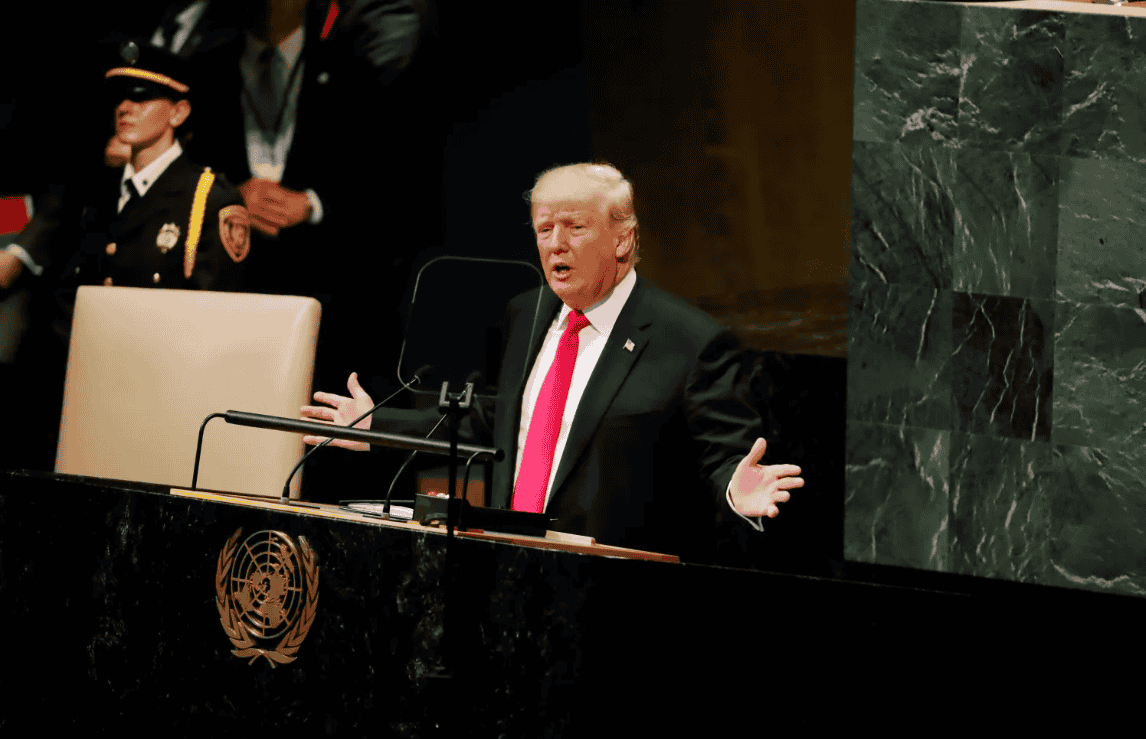
The White House is split between renewed diplomacy and military action against Iran, while President Donald Trump escalates pressure by announcing immediate 25% tariffs on countries doing business with Iran.
Alongside military considerations, Trump has moved to sharply increase economic pressure on Iran. He announced on Monday, 12 January 2026, the immediate imposition of a 25% tariff on any country doing business with Iran, a step that could significantly affect China and other major Iranian trading partners.
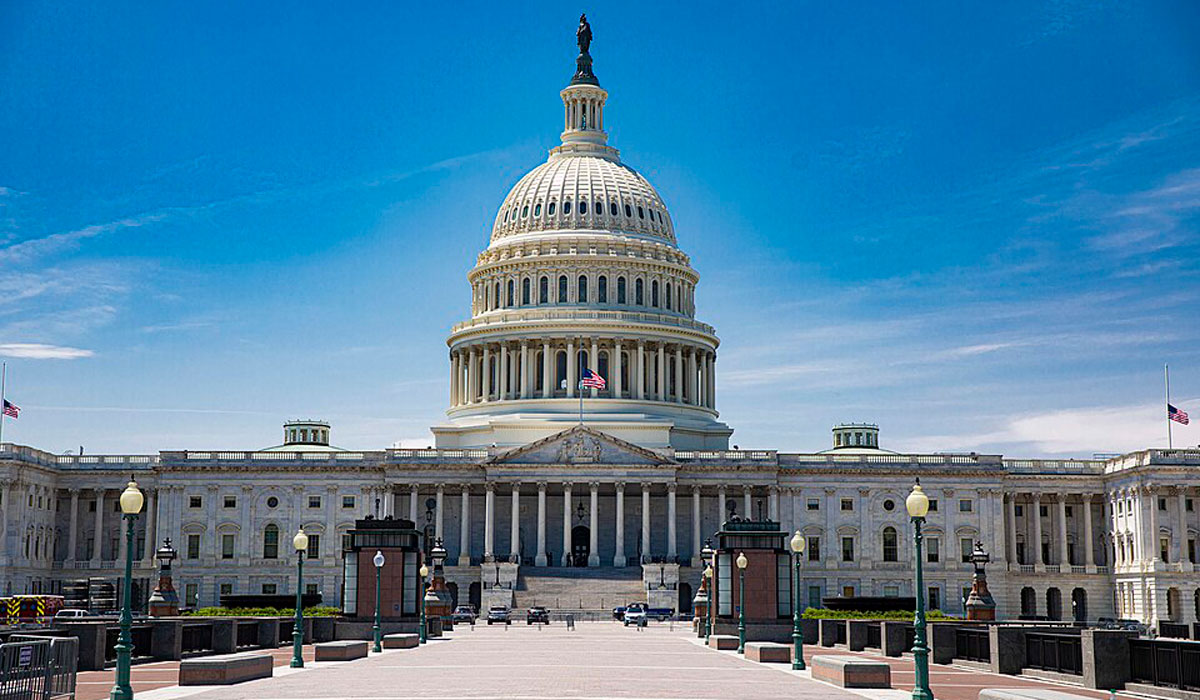
The move has drawn criticism from Beijing and raised concerns about broader trade tensions, particularly as Trump’s use of emergency powers to impose tariffs faces an ongoing challenge in the US Supreme Court.
The Supreme Court is scheduled to rule on 14 January on the legality of President Donald Trump’s broad global tariffs, a high-profile case that could reshape the scope of presidential authority and have major implications for international trade and the global economy.
The Trump administration is weighing its response to escalating unrest in Iran, as divisions emerge within the White House over whether to pursue diplomacy or military action.
The Wall Street Journal reports that Vice President JD Vance and other senior officials are urging President Donald Trump to consider a final round of negotiations with Tehran before resorting to force. However, Trump is reportedly more inclined toward military action, with a final decision expected after senior-level briefings.
Meanwhile, a senior military source said US planning for possible operations against Iran is already at an advanced stage, with forces in the Middle East prepared for multiple scenarios.