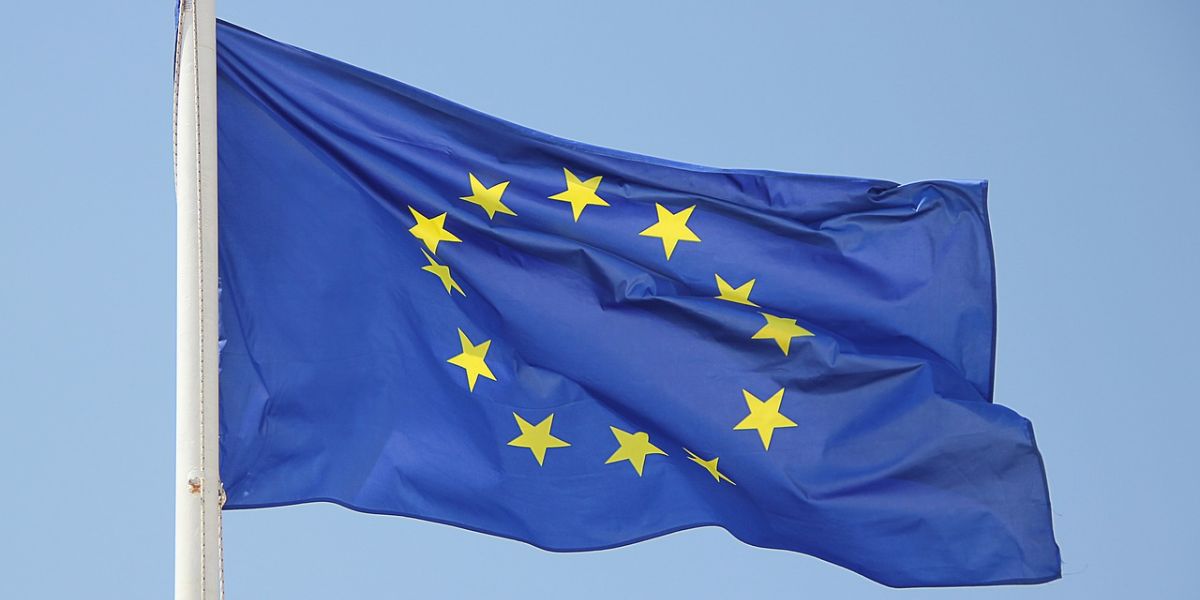


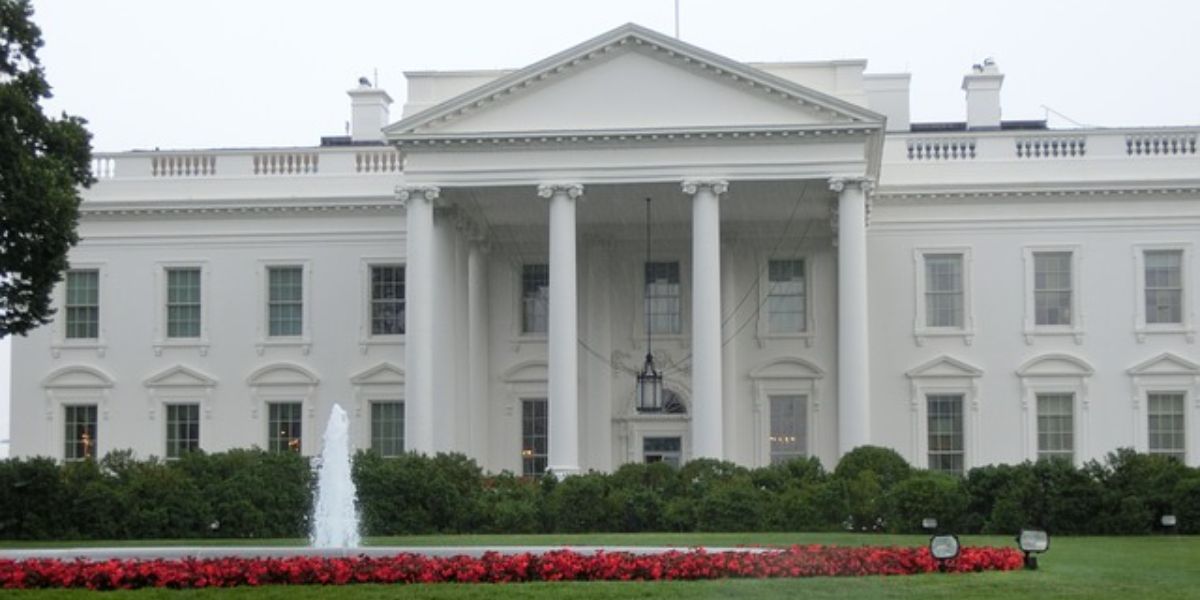
President Donald Trump has sparked a fresh transatlantic crisis by threatening steep tariffs on eight European allies unless Denmark agrees to sell Greenland, prompting EU leaders to prepare sweeping retaliation and raising fears of a damaging trade war.
The weekend delivered a major jolt when President Donald Trump announced a new round of tariffs targeting eight allied nations.
On 17 January 2026, Trump posted on Truth Social, demanding the “complete and total purchase of Greenland” from Denmark. To force a deal, he is imposing a 10% tariff on imports from Germany, France, the UK, the Netherlands, Finland, Sweden, Norway, and Denmark, starting 1 February 2026. If no agreement is reached by then, Trump warned that those rates will jump to 25% by 1 June.
“Starting on February 1st, 2026, all of the above mentioned Countries (Denmark, Norway, Sweden, France, Germany, the United Kingdom, the Netherlands, and Finland) will be charged a 10% Tariff on any and all goods sent to the United States of America. On June 1st, 2026, the Tariff will be increased to 25%. This Tariff will be due and payable until such time as a Deal is reached for the Complete and Total purchase of Greenland.” Trump wrote on Truth Social.
A strategic prize
Why is Trump so focused on this massive Arctic island? Greenland isn’t just ice; it is a geopolitical goldmine. It holds “critical raw materials” and offers vital air and sea routes for military operations between North America and Europe. While Trump claims the US has “subsidised” these nations for centuries and that Denmark “owes” the US, leaders in Denmark and Greenland have repeatedly stated the island is not for sale.
This isn’t a new obsession for Washington; the US has tried to buy Greenland for over 150 years, including a secret USD 100 million offer from President Harry Truman in 1946. Despite this history, current polls show that less than one in five Americans support the purchase.
Europe prepares for retaliation
European leaders are not backing down. EU officials held an emergency meeting on Sunday, 18 January 2026, to coordinate a response. French President Emmanuel Macron has already called for the “trade bazooka”, formally known as the Anti-Coercion Instrument, to be activated. This legal mechanism allows the EU to fight back with its own retaliatory tariffs and even block US companies from its single market.
European capitals could retaliate by imposing tariffs worth up to EUR 93 billion (USD 107.71 billion) on US goods or by restricting American companies’ access to the bloc’s market, according to the Financial Times. The report said the measures are being considered in response to US President Donald Trump’s threats toward NATO allies resisting his push to take over Greenland.
Meanwhile, UK Prime Minister Keir Starmer also weighed in, calling it “completely wrong” to tax allies over a matter that belongs solely to the people of Greenland and Denmark.
The economic toll
The fallout from this trade war could be painful for everyone. Economists estimate that 25% tariffs could shave 0.2 percentage points off Europe’s GDP growth. We are already seeing a shift in trade; the US share of EU exports dropped from 21% to 18% by November 2025 as businesses grew nervous about the unstable environment.
While some hope the US Supreme Court might rule against these tariffs, the current reality is a transatlantic relationship in a deep crisis. Ultimately, a full-blown trade war will leave both the US and Europe poorer.