Effective from 8 September 2025, the changes affect Annex II of the “Liberation Day” tariff policy.
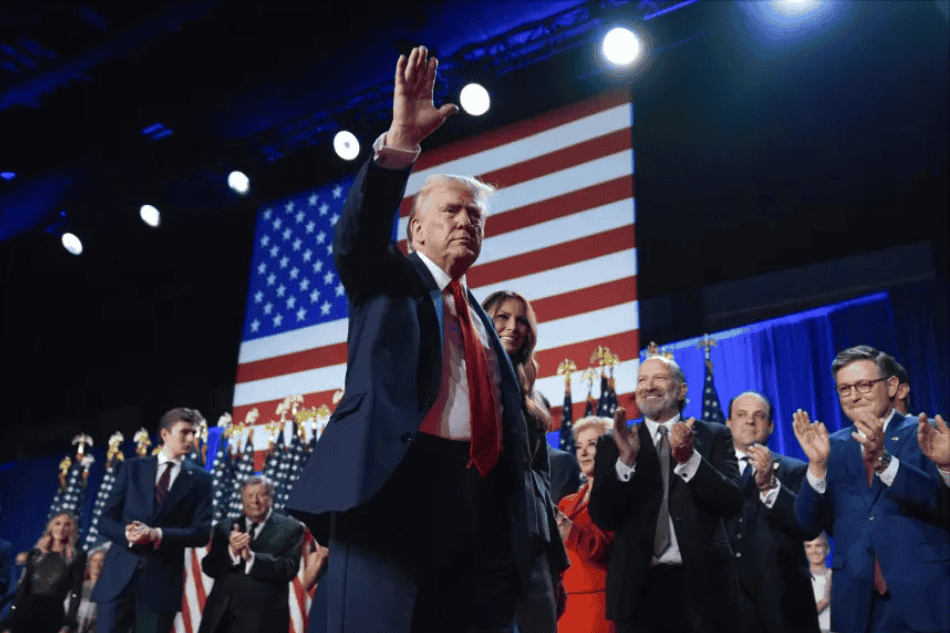
The US has revised its “Liberation Day” tariff exemptions under a new Executive Order signed by President Donald Trump on 5 September 2025.
The Executive Order 14257 imposes tariffs on aluminium hydroxide, resin, and silicone products, while exempting bullion-related goods, critical minerals, and certain pharmaceuticals.
Enforced by US Customs, the changes affect Annex II of the “Liberation Day” tariff policy. Annex II exempts certain critical or limited-supply items from reciprocal tariffs, effective from 8 September 2025.
The White House Fact Sheet explained the changes, highlighting efforts to protect US industries, reduce dependence on foreign supply chains, and enhance economic security. The Executive Order also introduces a PTAA Annex, which allows for lower tariffs on certain imports if trading partners sign reciprocal trade and security agreements with the US.
These products fall into four categories:
- certain aircraft and aircraft parts;
- certain generic pharmaceuticals and their ingredients;
- unavailable natural resources and closely related derivative products; and
- certain agricultural products are not grown or produced in sufficient quantities in the US to meet domestic demand.
To earn a reduction of reciprocal tariffs for some or all of the products listed in the PTAAP Annex, a trading partner must conclude a deal with the US that helps mitigate the national emergency relating to the trade deficit. Additionally, the President will evaluate the extent of a trading partner’s commitments to address US trade concerns, among other things, when determining which products on the PTAAP Annex qualify for a tariff reduction.
The modified Annex II is attached to the new Executive Order.
President Trump signed an executive order implementing a 10% baseline tariff on imports from all countries on 2 April 2025.
However, the US Appeals Court ruling on 29 August stated that most of the tariffs imposed by the Trump administration are illegal, but allowed them to remain in place until 14 October to give the administration time to appeal to the Supreme Court.