

Iran is the world’s ninth-largest oil producer. The escalation of conflict now threatens vital supply routes, particularly the Strait of Hormuz through which roughly 20% of the world’s oil and gas passes. Markets are bracing for further disruption.
Oil prices spiked on Monday, 23 June, and Asian markets tumbled after the US launched air strikes on Iran’s nuclear facilities over the weekend, escalating tensions in a region crucial to global energy supplies.
The military action marks a significant intensification in the ongoing conflict. The US strikes came in support of Israeli assaults on Iranian targets, drawing sharp warnings from Tehran and heightening concerns over potential retaliation.
Iran, the world’s ninth-largest oil producer, produces around 3.3 million barrels of oil per day and exports just under half of it.
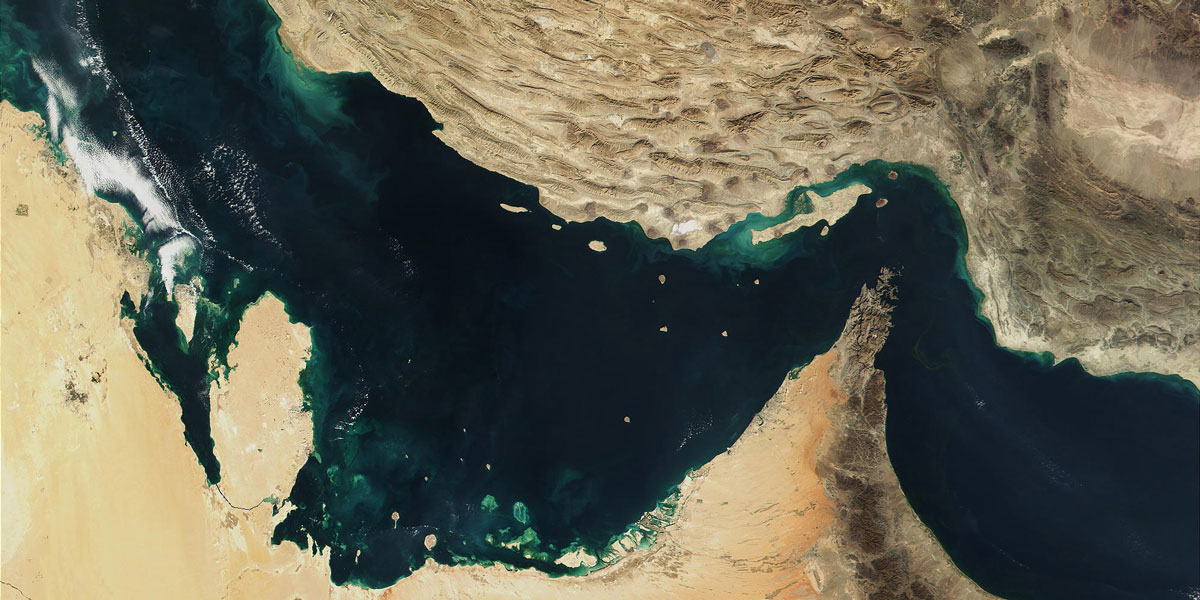
The conflict threatens to impact vital supply routes, particularly the Strait of Hormuz—through which roughly 20% of the world’s oil and gas passes—and markets are bracing for further disruption.
Oil prices reacted swiftly to the developments. Brent crude futures rose by 72 cents, or 0.93%, to USD 77.73 a barrel, while US West Texas Intermediate (WTI) crude climbed 71 cents, or 0.96%, to USD 74.55 as of 0806 GMT.
Earlier in the session, both benchmarks had surged more than 3%, reaching five-month highs of USD 81.40 and USD 78.40 respectively, before easing back slightly.
The spike reflects traders’ mounting fears of supply shocks if Iran decides to retaliate by closing the Strait of Hormuz — a move it has repeatedly threatened in the past.
The Iranian parliament has ordered the closure of the Strait of Hormuz following the US strikes.
A member of parliament’s national security commission Esmail Kosari said, “For now, [parliament has] come to the conclusion we should close the Strait of Hormuz, but the final decision in this regard is the responsibility of the Supreme National Security Council.”
However, Iran’s Supreme National Security Council has yet to make a final decision.
“I encourage the Chinese government in Beijing to call them about that, because they heavily depend on the Straits of Hormuz for their oil,” said US Secretary of State and National Security Adviser Marco Rubio on Sunday, urging China to intervene diplomatically.
The Strait of Hormuz, situated between Oman and Iran, is one of the world’s most strategically sensitive waterways. At its narrowest point, it is only 21 miles (33 kilometres) wide, with shipping lanes just two miles across in each direction.
As tensions rise and the region edges closer to a broader confrontation, markets are watching closely for Tehran’s next move — with oil prices likely to remain highly sensitive to any signs of further escalation.