

The bill updates the Multinational Enterprise (Minimum Tax) Act to reflect the latest Pillar 2 rules and formally implements Budget-announced tax measures along with other industry-driven refinements to Singapore’s tax system.
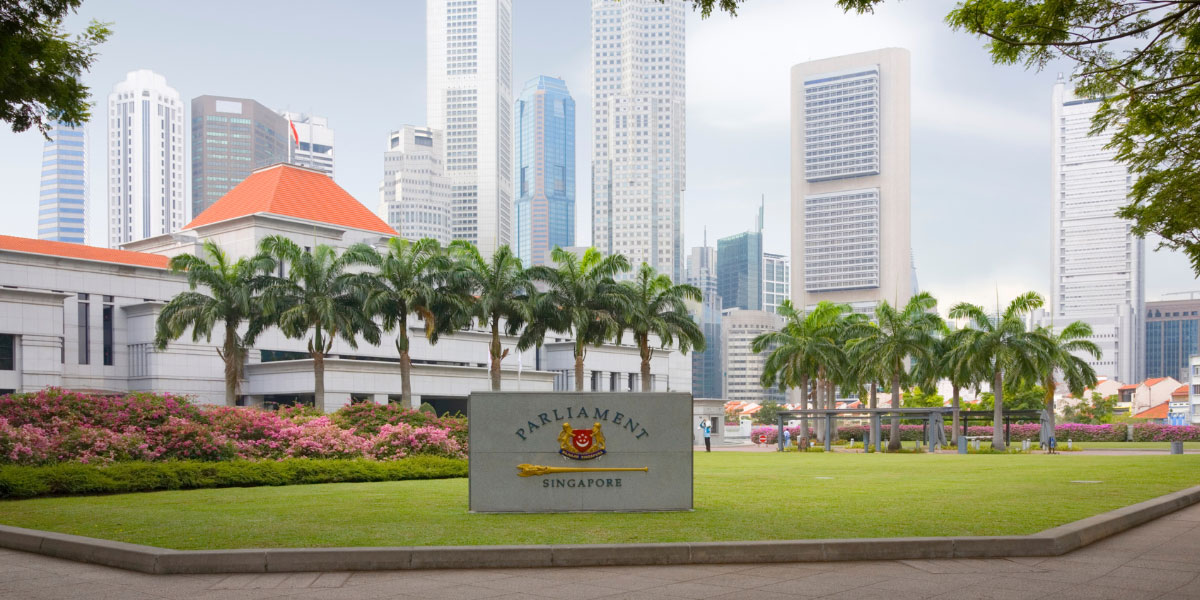
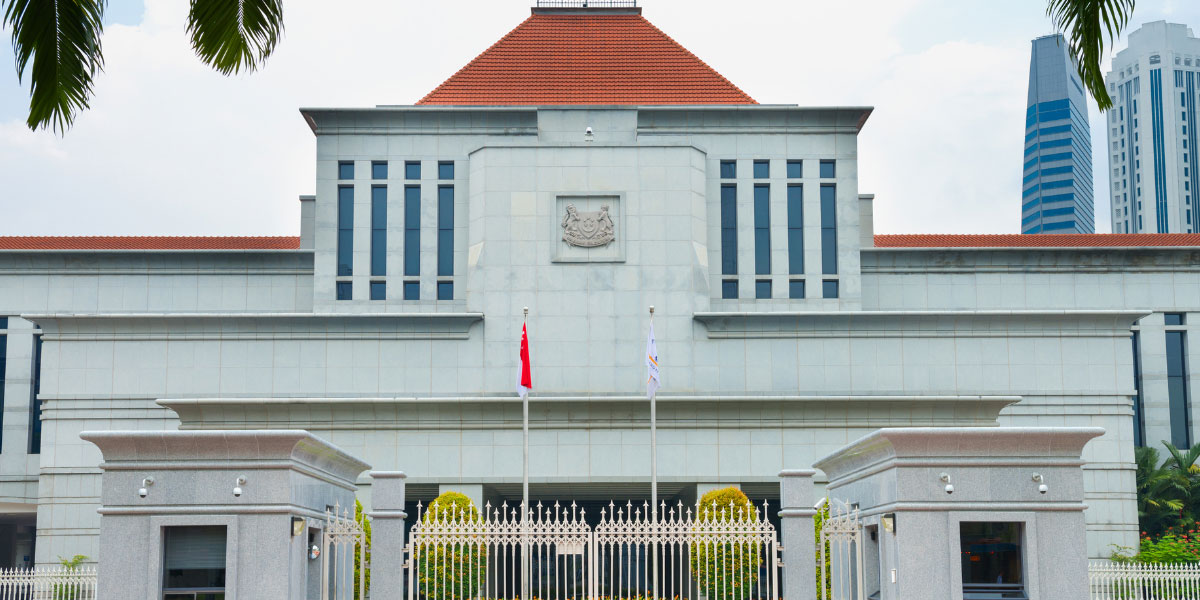
Singapore’s Senior Minister of State for Finance Jeffrey Siow has presented second reading opening remarks on the Finance (Income Taxes) Bill at the parliament on 6 November 2025.
The Bill serves two main purposes:
First, it updates the Multinational Enterprise (Minimum Tax) Act with the latest technical changes to the international Pillar 2 rules under the BEPS 2.0 initiative.
Second, it gives legal effect to tax measures announced in the current Budget, along with other refinements to Singapore’s tax system based on industry feedback.
Amendments to the Multinational Enterprise (Minimum Tax) Act
The Act implements the Domestic Top-up Tax and the Multinational Enterprise Top-up Tax, requiring large multinational enterprises to pay a minimum effective tax rate of 15% regardless of where they operate. Both top-up taxes will apply to financial years starting on or after 1 January 2025.
Since the Act’s enactment, the OECD Inclusive Framework has issued new technical clarifications. Clauses 56 to 70 of the Bill incorporate these changes to ensure Singapore’s rules remain consistent with international standards, provide certainty for businesses, reduce compliance burdens, and prevent double taxation on Singapore operations.
Amendments to the Income Tax Act
Corporate income tax changes ensure the system remains responsive to business needs. The amendment introduces a 100% tax deduction for expenses on green certificates or credits, supporting businesses’ sustainability efforts even when these instruments are used for voluntary commitments rather than statutory obligations.
It also introduced measures recommended by the Equities Market Review Group to strengthen Singapore’s equity market. These include:
- A listing corporate income tax rebate of 20% or 10% for companies that complete primary or secondary listings with share offerings, subject to caps;
- A 5% concessionary tax rate on qualifying income for new fund manager listings in Singapore; and
- A tax exemption on qualifying income earned by fund managers from funds allocating at least 30% of assets to Singapore-listed equities.