State Duma approves draft tax changes to fund defence, national projects, and social benefits.
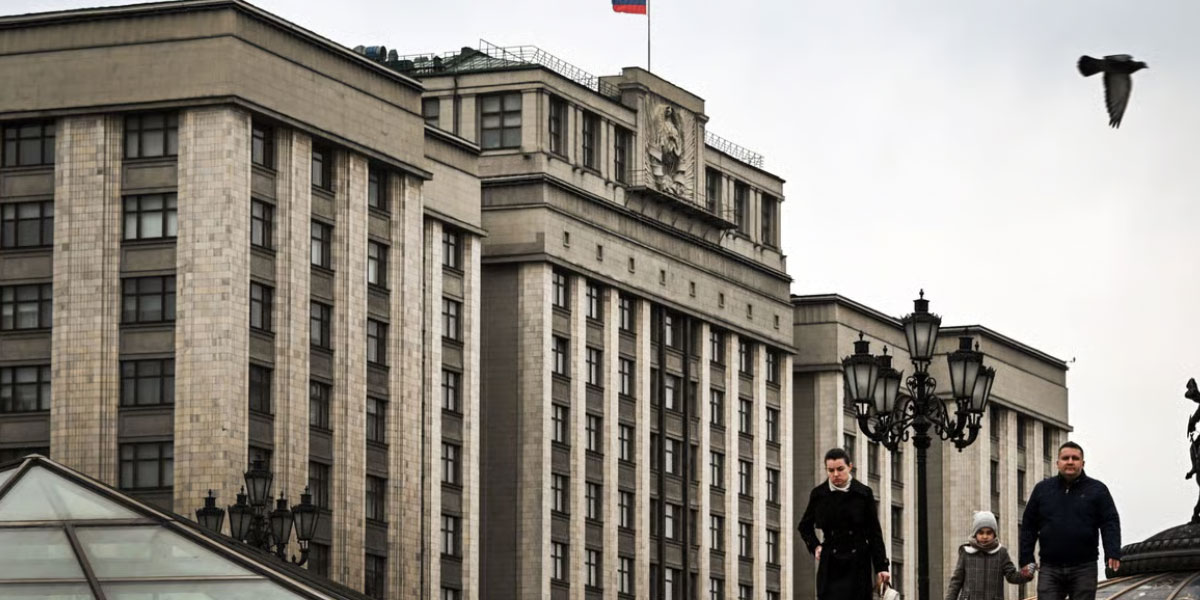
The Russian State Duma approved in first reading a draft law introducing wide-ranging amendments to the Tax Code on 22 October 2025. Finance Minister Anton Siluanov presented the package at a plenary session, describing it as part of the broader budget framework. The proposals aim to fund the Special Military Operation (SMO), support national projects, and fulfil social obligations to citizens.
Key measures in the draft include:
- VAT adjustments: The standard value-added tax rate would rise to 22%, while a reduced 10% rate would remain for socially important goods such as food, medicine, and children’s products.
- Gambling and corporate taxes: A federal tax on gambling would be set at 5% of betting turnover, alongside a 25% corporate income tax rate for gambling companies, reflecting both turnover and actual financial results.
- SME reforms: The VAT registration threshold under the simplified taxation system would fall from RUB 60 million to RUB 10 million, while income thresholds for the patent system would also decrease. SMEs under the general taxation system would gain the ability to deduct VAT, promoting a more level playing field with larger companies.
- Sector-specific rates: Reduced tax rates would remain for processing, manufacturing, transport, and electronics. Other sectors, including trade, construction, and mining, would face general rates of 30% up to the maximum base and 15% above it.
- Management contributions: Managers of commercial organisations would be required to pay insurance contributions based on the minimum wage, targeting shell companies that underreport director incomes.
- NGO and charitable benefits: Reduced tax rates for NGOs, charities, and religious organisations would be extended for ten years from 2027.
- Industry incentives: Companies in the radio-electronics sector would see their tax rate above the maximum base reduced to 0%. At the same time, businesses would have expanded access to federal investment tax deductions across corporate groups.
- Alcohol and excise changes: Advance payments on alcohol would be abolished, with excise rates indexed to forecast inflation for 2026–2027. The rate increase for “harmful” products in 2026 would be 11.3%, with rates also set for 2028.
- Foreign agent restrictions: Individuals designated as foreign agents would face limitations on personal income tax and corporate profit tax benefits.
The draft law also includes multiple social incentives:
- Family and SMO support: Personal income tax exemptions for income from housing sales would expand to families with disabled children of any age. Transport and land tax exemptions would extend to SMO participants and their families, retroactively from 2022.
- Military personnel benefits: Contract servicemen in the SMO, as well as individual entrepreneurs and private practitioners serving under contract, would be exempt from insurance contributions regardless of contract duration.
The draft law now proceeds to further readings in the State Duma, with implementation aimed at strengthening the country’s fiscal framework and supporting both defence and social priorities.