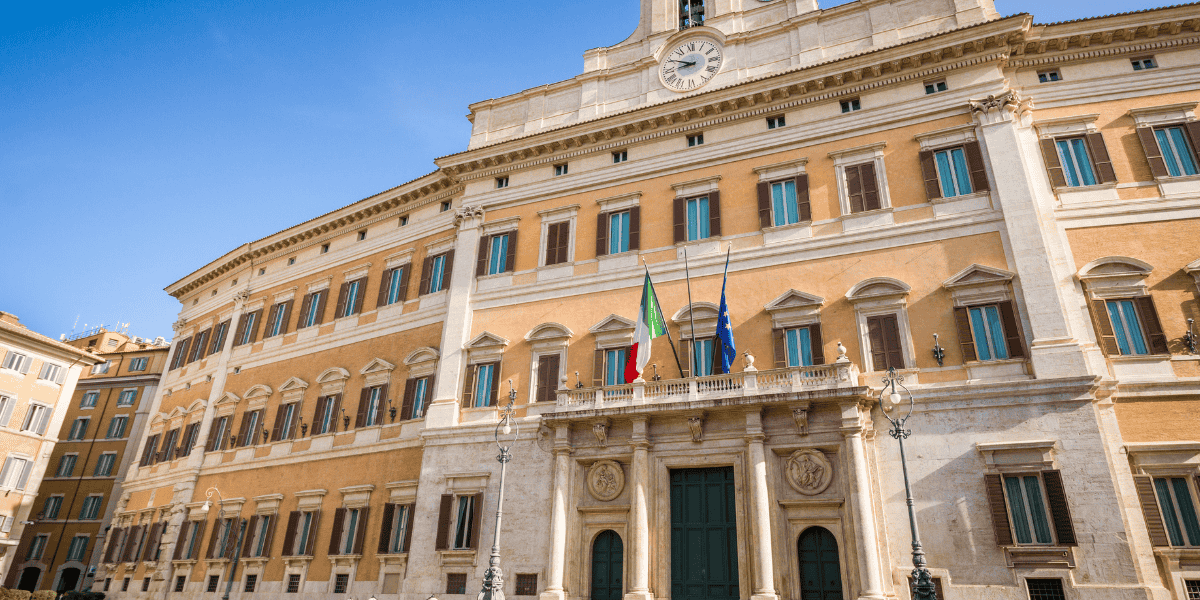


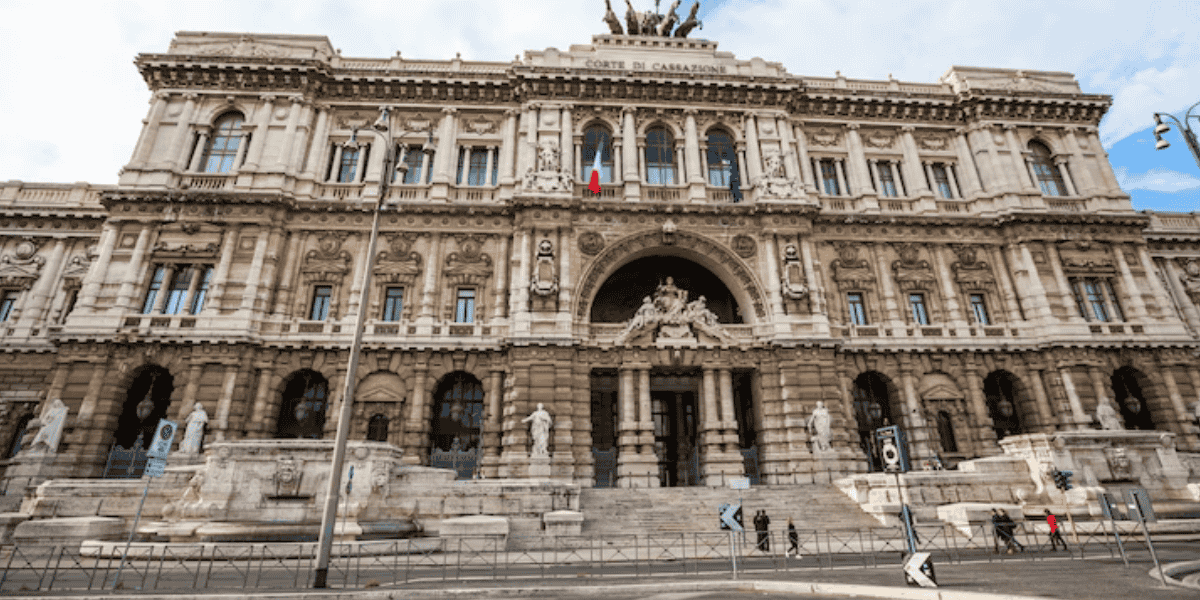
Italy’s Senate approved the 2026 budget, targeting deficit reduction and tax relief for households while raising funds through higher financial sector levies, amid market concerns over investment and lending.
Italy’s government secured a decisive vote of confidence in the Senate on 30 December 2025 for its 2026 budget, winning 113 votes to 70, keeping it on track for final approval by parliament before year-end.
The budget now moves to the lower house, where passage is expected before 31 December 2025, avoiding automatic spending and revenue cuts that would otherwise take effect in 2026.
The budget aims to reduce the fiscal deficit to 2.8% of GDP in 2026, down from 3% in 2025, positioning Italy to exit the EU’s excessive deficit procedure. It also proposes tax relief for low and middle-income earners.
However, investors have expressed concern over higher taxes on banks, insurers, and financial transactions. Key measures include a two-percentage-point hike in the IRAP corporate tax and a doubling of the Tobin Tax, together expected to raise more than EUR 12 billion by 2028.
The European Central Bank warned these measures could curb bank lending and weigh on investor confidence.
Rome’s budget seeks to balance fiscal consolidation with support for households and businesses, but market scrutiny over its financial impact remains intense.
Financial sector tax increases
New taxes on banks, insurance companies, and other financial operators are expected to raise EUR 5–6 billion in 2026. The tax increases include a doubling of the existing levy on the purchase of shares and other financial instruments, known as the Tobin Tax, which is expected to raise approximately one billion euros over three years.
The Tobin Tax is levied on transactions involving financial instruments of Italian companies, at 0.10% for trades on regulated markets and 0.20% for all other transactions.
Support for businesses and innovation
The 2026 budget allocates EUR 3.5 billion to assist struggling companies and promote corporate technological innovation.
Consumer tax adjustments
The budget includes small tax increases on certain consumer products, including a EUR 2 flat tax on packages under EUR 150 from outside the EU, such as orders from platforms like Temu and Shein.
Short-term rentals
The government has kept the current tax rates for short-term rentals at 21% for a single property and 26% for two or more, dropping a proposed increase.
Taxation for wealthy foreigners
From 1 January 2026, the flat tax for new high-net-worth foreign residents will rise from EUR 200,000 to EUR 300,000 per year. For family members, the fee will increase from EUR 25,000 to EUR 50,000 per person. The scheme allows payment of a fixed tax on income earned abroad for up to 15 years, instead of the standard Italian tax rate of up to 43%. The updated rates apply only to new arrivals; current participants keep the previous rates.
Personal income tax cut
Income tax rate reduced from 35% to 33% for households earning between EUR 28,000 and EUR 50,000. This change is expected to benefit 32% of taxpayers, with an average gain of EUR 218 per year.
Earlier, Thousands across Italy took to the streets on 12 December 2025 in a nationwide strike organised by the country’s largest union, CGIL (Italian General Confederation of Labour), in opposition to the government’s proposed 2026 budget.