


A Double Tax Agreement of 2016 between Kazakhstan and Slovenia has entered into force on 30th of December 2016. It has been applicable from 1st of January 2017.


«
Previous post
Colombia: New deadlines for filing tax returns
Colombia: New deadlines for filing tax returns
Related Posts

Kazakhstan consults draft law proposing 100% CIT reduction for Investment Agreements
September 15, 2026
Kazakhstan's Ministry of National Economy has opened a public consultation on a draft law proposing amendments and
Read More
Kazakhstan: National Bank cuts base rate
September 08, 2026
Kazakhstan’s National Bank cut its base rate to 16.25% on 4 September 2026, with an interest rate corridor of ±1
Read More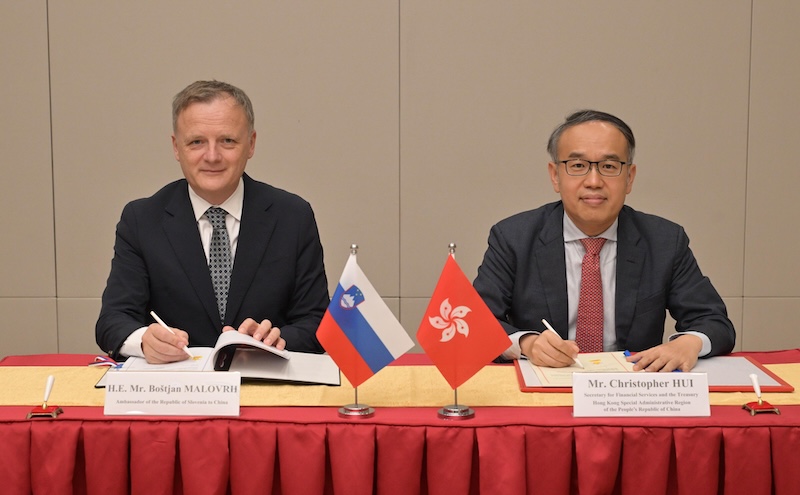
Hong Kong, Slovenia sign income tax agreement
September 07, 2026
The Hong Kong Financial Services and the Treasury Bureau completed negotiations on a comprehensive avoidance of double
Read More
Hong Kong, Kazakhstan to begin first round of tax treaty negotiations
August 18, 2026
The Hong Kong Inland Revenue Department (IRD) announced in an update that Hong Kong and Kazakhstan will hold their
Read More
Kazakhstan lowers base rate used to calculate late payment interest
July 29, 2026
The National Bank of Kazakhstan (NBK) has reduced its base rate to 16.75%, with a corridor of 15.75%–17.75%,
Read More Kazakhstan consults tax code reform package on investment climate, administration simplification
July 13, 2026
Kazakhstan has launched a public consultation on 2 July 2026, on a package of amendments to the Tax Code of the
Read More